I’m Hazel — a breathwork facilitator (in training), community builder, and someone who has spent much of my life creating spaces for others to connect.
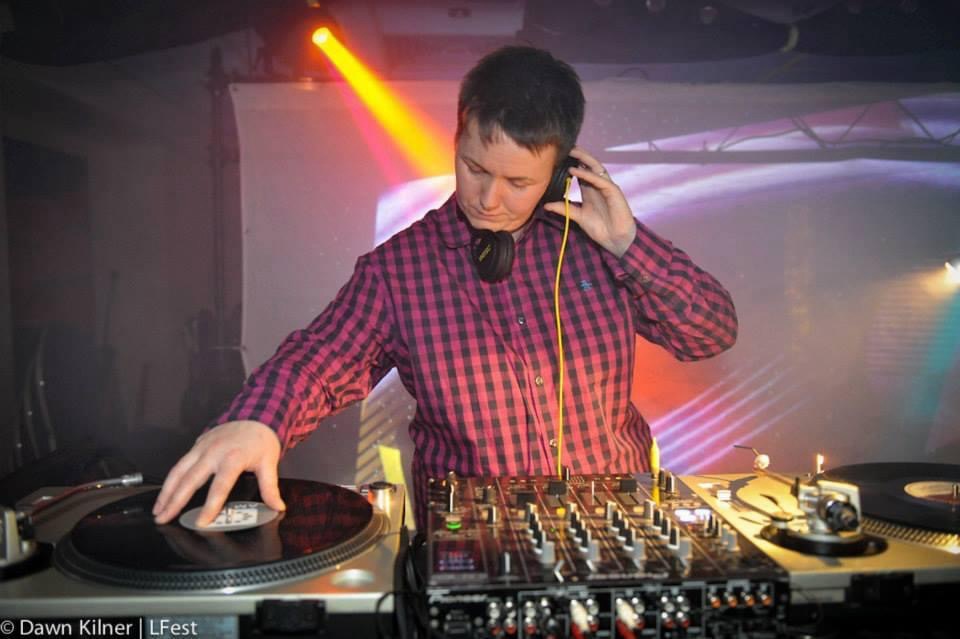
For years my world revolved around movement. I worked in community facilitation and events, producing gatherings, festivals, and nightlife spaces where people could come together and feel alive.
From the outside, it looked vibrant.
But internally, my nervous system was exhausted.
Like many people carrying unresolved trauma, I learned to keep moving. Busyness became a form of survival. Alcohol became a way to soften the noise inside my mind. Nicotine was my only ‘time out.’ Escapism was my norm. Avoidance coping mechanisms were my functioning survival mode, a constant heighten state of fight or flight.
Eventually my body started asking clearly for something different. I wasn’t able to break the patterns or sit with the pain of my own traumas. Eventually my body demanded something different. I still wasn’t able to be still so my body started to collapse under the pressure so I have no choice but to stop.
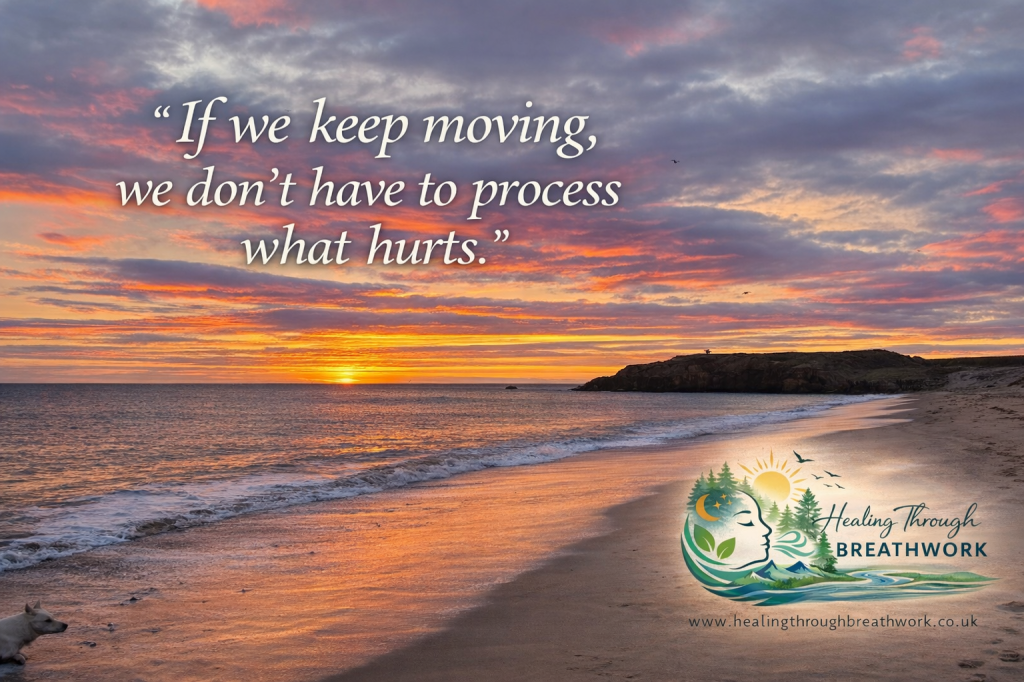
For much of my life I kept moving. I organised events, built communities, created spaces for others to connect and feel alive. From the outside it looked exciting, satisfying, vibrant and purposeful, but underneath my nervous system was constantly running in survival mode. I didn’t realise that busyness had become a way of protecting myself from what I was carrying inside. If we keep moving, we don’t have to process what hurts. Eventually my body began to ask for something different. The exhaustion, the health struggles, and the quiet moments I had spent avoiding became invitations to slow down.
Breathwork became the first place where I learned that it was possible to pause, to feel, and to discover that even the emotions we fear most can move through us when we meet them with breath, awareness, and compassion.
Breathwork became an enormous part of this turning point.
From my very first experience I completely surrendered to the process. An intense mix of shamanic healing, sound bowls, rattle work and breathwork. Surprisingly as for decades prior I had the limiting belief that my ADHD brain wasn’t even capable of basic guided meditation. I didn’t realise how hard I was running away from my truths.
This was the first time I ever found any true relief from the pain I had been experiencing and this then became a practice of returning — returning to my body, to stillness, and to a sense of safety I had rarely felt before.
When I stepped away from city life and began living on the road in a van with my dogs, I entered a very different rhythm of life. Nature slowed everything down. Without constant stimulation or distraction, I began to listen to my breath for the first time while I grieved and rebuilt myself. Reignited my neural pathways and reprogrammed my nervous systems.
The breath was the simple act and it changed everything.
Breathwork helped me:
regulate my nervous system
process emotions I had suppressed for years
reconnect with my body
rediscover joy without substances
and develop a deeper relationship with myself
Today, I’m building a life that moves at a different pace.
My days include meditation, connection with nature, sound, philosophy, and community spaces rooted in presence rather than escape.
Through my training as a breathwork facilitator, I’m learning how to hold space for others to experience the same reconnection.
This blog — Between the Breaths — is part of that journey.
It explores the moments of expansion, pause, and grounding that shaped my life and the role breath has played in that transformation.
Because sometimes the most powerful change doesn’t happen in the inhale or the exhale…
It happens in the quiet space between them.
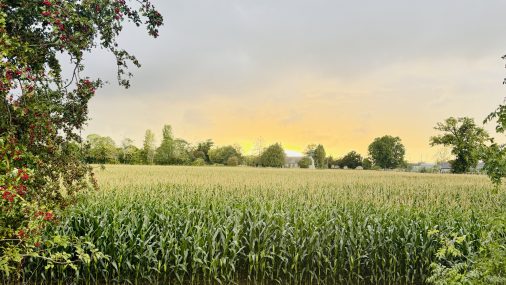
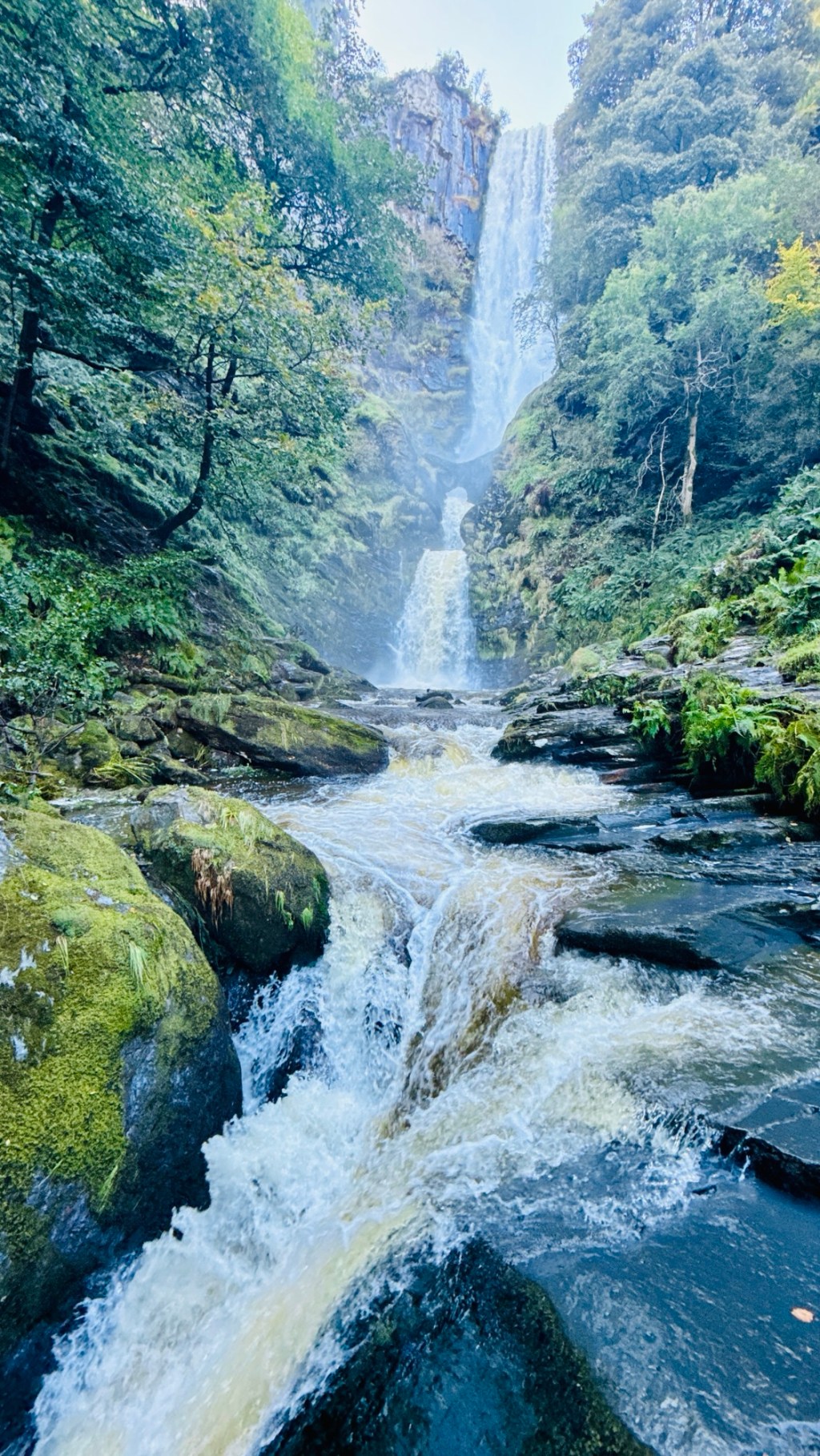
All of the photographs in this blog series are taken by me during moments where I intentionally slow down and breathe with the landscape around me.
Photography has become a quiet extension of my breathwork practice. When I step into nature with my camera, I’m not just capturing a view — I’m noticing the rhythm of the wind, the stillness of the trees, the changing light, and the way my own breath begins to settle in response.
These images are part of what I call my “Breathing in Nature” series — small moments of presence where the nervous system softens and the body remembers how to simply be.
Each photograph is taken during those pauses.
Moments where I stop, breathe, and reconnect with the world around me.
My hope is that as you look at these images, you might pause for a breath too.
A Breath Practice That Helped Me Begin
When my nervous system was constantly in fight-or-flight, one of the first practices that helped me was simple regulated breathing.
Try this:
4–6 Regulation Breath
Inhale gently through the nose for 4 seconds
Exhale slowly through the mouth for 6 seconds
Continue for 3–5 minutes
Lengthening the exhale activates the parasympathetic nervous system, which signals safety to the body.
For someone who has lived in survival mode, this simple practice can begin to restore balance.
At first it felt strange to slow down. My body was used to tension.
But breath by breath, the nervous system begins to learn a new rhythm.
Physiological Sigh (The Body’s Natural Reset)
One of the quickest ways to calm the nervous system is something the body already does naturally — the physiological sigh.
Try this:
Physiological Sigh
Inhale slowly through the nose Take a second short inhale to fully fill the lungs Slowly exhale through the mouth.
Repeat for 1–3 minutes
This breathing pattern helps release excess carbon dioxide and gently resets the nervous system.
For people carrying stress or trauma in the body, it can feel like a subtle “pressure release valve.”
Sometimes one or two breaths like this can shift the entire state of the body.
Coherent Breathing (The Nervous System Harmoniser)
This practice is often used in trauma therapy and nervous system regulation.
Try this:
5–5 Coherent Breath
Inhale through the nose for 5 seconds Exhale through the nose for 5 seconds Continue for 5–10 minutes
This rhythm balances the relationship between the breath, the heart, and the nervous system.
Many people notice a gentle sense of grounding and clarity after just a few minutes.
But it’s the space between them — that quiet pause — where we truly meet ourselves.
For years, my world was filled with motion: city lights, late nights, and the pulse of the music I helped create.
For as long as I can remember I’d used alcohol to self-medicate, masking the weight of unprocessed trauma and the strain on my nervous system. My breath was dull, fast and shallow, always chasing the next high, the next laugh, the next distraction.
This is where I was …. how my journey began but not how it ends.
This blog is a reflection of that journey, using my photography and artwork on that journey to create a visual and emotional meditation on what happens between the breaths. Through nature, solitude, and community, I found my rhythm again.
What began as escape became an exhale — a return to presence, purpose, and peace.
For most of my life I never thought about breathing.
Like many people, my breath was simply something that happened in the background while life rushed forward — city lights, music, late nights, community events, and endless movement.
I built spaces where people could come together and feel alive.
But somewhere inside that noise, my own nervous system was struggling to keep up.
What I didn’t realise at the time was that my breath had been trying to tell me something for years.
It was shallow. Fast. Held tightly in my chest.
My body had learned to live in survival mode.
Breathwork was the first practice that gently asked me to slow down long enough to notice.
And once I noticed, everything began to change.
Breath Practice: First Awareness
A simple way to reconnect with your breath:
Sit comfortably
Place one hand on your chest and one on your belly
Take a slow inhale through the nose
Let the belly expand
Exhale gently through the mouth
Try this for five breaths.
Sometimes awareness alone is the first step toward healing.
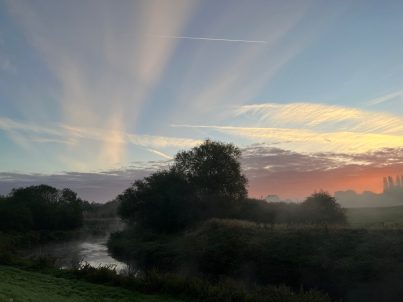
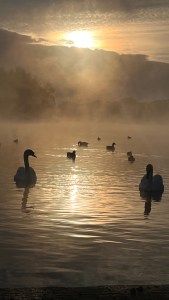
This picture is so perfect for this post as it was a real turn around moment when a drunken plan was hatched to drive a few hundred miles to see a friend and watch the sunset another time when we were sober. And this time we actually did it !! What a sun rise it was. The first time I realised how the universe can reward us and the first time I began to notice stillness again.
Three-Part Breath (Reconnecting With the Body)
When we’re stressed, breathing often becomes shallow and stuck in the chest.
This practice helps reconnect the full breathing pathway.
Try this:
Three-Part Breath
Inhale into the belly Continue the inhale into the rib cage Let the breath expand into the upper chest Exhale slowly in reverse order
This reminds the body how to breathe fully again.
For many people it brings a feeling of spaciousness and grounding.
Breathwork doesn’t need to be dramatic or intense to be powerful.
Sometimes the most profound shifts begin with a few minutes of conscious breathing.
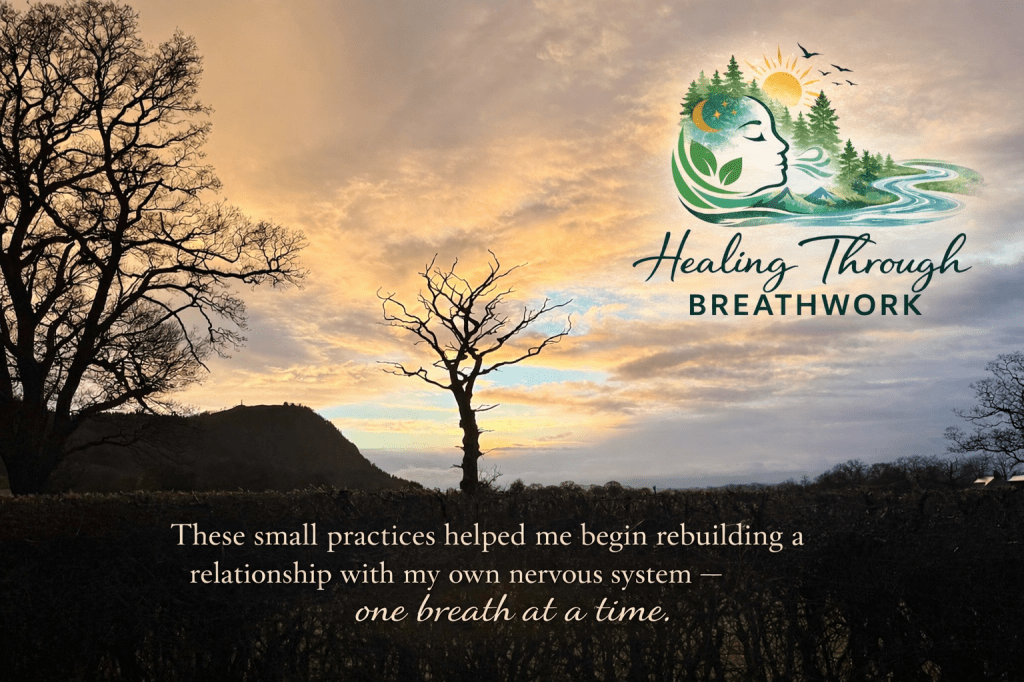
These small practices helped me begin rebuilding a relationship with my own nervous system — one breath at a time.
“I filled every breath with noise, until I forgot how silence sounded.”
City lights, crowded rooms, and endless events filled every breath, running on adrenaline. I built spaces where others could lose themselves — while I quietly lost touch with myself.
I used alcohol to self-medicate, masking the weight of unprocessed trauma and the strain on my nervous system. My inhale was constant — more doing, more giving, more running. There was no pause.
“Breathing is the bridge between body and mind.” — Wim Hof
My nervous system lived in constant fight-or-flight.
Trauma doesn’t always appear loudly. Sometimes it shows up as:
• overworking • constant movement • emotional numbing • difficulty resting • needing noise to avoid silence.
Alcohol became my way of softening the edges of those feelings.
It worked for a while.
Until it didn’t.
Eventually the body always asks to be heard.
Breathwork became the first place I allowed myself to listen.
Breath Practice: Nervous System Regulation
One practice that helped me begin was extended exhale breathing.
Inhale for 4 seconds Exhale for 6 seconds
Repeat for 3 minutes.
Lengthening the exhale signals safety to the nervous system.
When the body feels safe, healing can begin.
There was a time when my life moved quickly.
Cities. Music. Events. Crowds.
I loved creating spaces where people could connect.
Community has always been at the centre of who I am.
But my life during those years was mostly inhale.
More doing. More giving. More movement.
I didn’t yet understand the importance of the pause.
Breathwork taught me that expansion is beautiful — but without balance it can also become exhausting.
Breath Practice: Energising Breath
A simple energising breath:
Inhale through the nose for 4 seconds Hold gently for 2 seconds Exhale for 4 seconds
Repeat for 10 breaths.
This builds awareness of how energy moves through the body.
Sound vibrations are still at the heart of everything !
The way we breathe determines the quality of our life.” — Dan Brulé
Then came the stillness — a van, my dogs and open roads. Away from the noise, I began to listen. In the silence, I found something I’d never given myself before: self-care, self-compassion, and self-love.
Breath became my teacher, showing me how to feel, regulate, and release.
In stillness, I met the parts of me I’d been running from.
Then came the quiet. The world around me slowed, and so did my breath.
In the stillness, I had nowhere to hide from myself — and for the first time, I didn’t want to.
What began as escape became an awakening. I learned how to regulate, not just react. How to listen, not just survive. How to care for myself in ways I never had before.
The pause between inhale and exhale is where I found self-love, self-compassion, and the courage to feel everything I’d numbed for years.
“Conscious breathing is a powerful tool for transformation.” — Stanislav Grof
When I stepped away from city life and began travelling in a van with my dogs, everything changed.
Nature moves at a very different rhythm.
There are no deadlines in forests.
No urgency in mountains.
Just breath.
In that quiet space, I began to understand the difference between:
escape and rest numbing and healing movement and stillness.
Breathwork became my daily practice.
Not as something dramatic or intense — but as something steady and grounding.
One breath at a time, my nervous system began to soften.
Breath Practice: Nature Rhythm Breathing
Sit outside.
Inhale slowly while observing the landscape.
Pause briefly.
Exhale slowly and relax your shoulders.
Let nature guide the pace of your breath.
The body remembers safety when it reconnects with the natural world.
Heart Coherence Breath
This practice gently brings awareness from the thinking mind into the heart space.
Try this:
Heart Coherence Breath
Place one hand over your heart Breathe slowly and evenly through the nose Imagine the breath moving in and out of the heart centre Continue for 3–5 minutes
Many people find this practice brings a sense of emotional warmth or connection.
When combined with feelings like gratitude or compassion, it can shift the nervous system toward a state of coherence and emotional balance.
The Breath Hold Reset
Breath holds can create a powerful pause in the body and mind.
Try this:
Gentle Breath Hold
Take a slow inhale through the nose Exhale completely Hold the breath out for as long as feels comfortable When the body asks for air, inhale slowly and fully
This pause can create a moment of stillness where the mind quiets and the body resets.
Many people notice heightened awareness and clarity after a few rounds.
While gentle breathing practices helped regulate my nervous system, deeper breathwork practices opened something else entirely.
They allowed emotions that had been stored in the body for years to finally move.
My life now includes meditation, nature, sober connection, sound, and community spaces built around presence rather than escape.
My exhale is slower, steadier, rooted in presence. I’ve built a life with room to be — not just do.
Breathwork continues to guide me.
Not as something I have mastered, but as a practice I return to every day.
Each inhale invites expansion.
Each pause invites awareness.
Each exhale invites release.
Now I hold space for others to discover their own breath.
Because sometimes the most powerful thing we can offer someone is simply a safe place to breathe.
“The breath is a tool for self-awareness and self-regulation.” — James Nestor
I’m home again, not in a city or van, but in my own body. My days are shaped by community, sober joy, sound baths, philosophy, and connection. I facilitate from a grounded place, guided not by urgency but by breath itself. The breath carried me from chaos to calm, from noise to presence. Through it, I learned to care for myself, regulate my emotions, and listen deeply — first to my own body, and now to others.
Every inhale invites expansion. Every pause invites awareness. Every exhale invites release. This is the space where I hold presence, compassion, and guidance as a Breathwork facilitator — helping others find their own rhythm between doing and being.
We’ve lost the ability to breathe correctly, and it’s affecting every aspect of our health.” — James Nestor
Extended Exhale Breathing (Safety Signal Breath)
When the nervous system is stuck in fight-or-flight, lengthening the exhale can help signal safety to the body.
Try this:
Extended Exhale Breath
Inhale through the nose for 4 seconds Exhale slowly through the mouth for 7–8 seconds Continue for 3–5 minutes
The long exhale stimulates the vagus nerve, which helps move the body toward rest and repair.
For people who have lived in survival mode, this breath can feel like slowly taking the foot off the accelerator.
Humming Breath (Vagus Nerve Activation)
The vibration created by humming stimulates the vagus nerve and can soothe the nervous system.
Try this:
Humming Breath
Inhale slowly through the nose Exhale while making a gentle humming sound Feel the vibration in the chest, throat, or head Repeat for 3–5 minutes
The vibration can create a sense of grounding and calm.
Many people describe it as feeling like a gentle internal massage for the nervous system.
Orienting Breath (Coming Back to the Present)
Trauma can cause the nervous system to feel stuck in past experiences.
This practice helps the body reconnect with the present moment.
Try this:
Orienting Breath
Take a slow breath through the nose Gently look around the room or environment Notice colours, light, or shapes around you Exhale slowly while staying aware of your surroundings Continue breathing slowly for a few minutes
Combining breath with visual awareness helps the body recognise that this moment is safe.
Over time, this can help rebuild a sense of stability.
Trauma lives in the body as much as the mind.
Breathwork offers a way to gently speak the body’s language — rhythm, sensation, and presence.




 HEALING THROUGH BREATHWORK