Holland is a stand-up comedian and storyteller who reached the 2021 Funny Women Stage Award final. In an interview after the show, Holland discussed turning personal stories into stand-up and performing a five-minute set at the final.
Re:source uses the details you send to review and update the directory. Please tell us which details can appear publicly. If you’re nominating another artist, please ask before sharing their private contact details. Read the directory privacy notice.
Rahman writes and performs stand-up that draws on family, race and Muslim heritage. The Glee lists writing work on Never Mind the Buzzcocks and participation in the BBC Writersroom.
Re:source uses the details you send to review and update the directory. Please tell us which details can appear publicly. If you’re nominating another artist, please ask before sharing their private contact details. Read the directory privacy notice.
Edmondson began in sketch comedy with Lady Garden and went on to form Birthday Girls with Camille Ucan and Rose Johnson. Screen credits include Josh and Patrick. Writing credits include Big Lizard and a Comic Relief short.
Re:source uses the details you send to review and update the directory. Please tell us which details can appear publicly. If you’re nominating another artist, please ask before sharing their private contact details. Read the directory privacy notice.
Janice Connolly’s character Barbara Nice is a circuit headliner and compere who has supported Peter Kay and Johnny Vegas. The character also became the centre of a BBC Radio 2 sitcom.
Selected television credits · Janice Connolly played Holy Mary in Phoenix Nights and receptionist Rosie Colton in BBC One’s Doctors. Source
Women in Comedy Festival, Manchester · 2014 · Billed in the festival programme. Festival archive
Women in Comedy Festival, Manchester · Billed for 23 October 2016 and for the 19 October 2017 launch. 2016 preview · 2017 programme
Laughing Cows Comedy, Frog and Bucket, Manchester, 27 April 2014 · One of several appearances recorded for the club. Performance record
Re:source uses the details you send to review and update the directory. Please tell us which details can appear publicly. If you’re nominating another artist, please ask before sharing their private contact details. Read the directory privacy notice.
Lizzy Lenco is a Derby-based stand-up comedian whose solo shows mix storytelling, dark humour and music. Her Edinburgh Fringe credits include Full Frontal Lobe in 2023 and The Limerence in 2025 and 2026. In The Limerence, she uses heavy metal, original songs and audience interaction to explore why we fall in love and how infatuation can take over.
Lizzy also works to make live comedy more accessible. She helped develop Access More Areas with comedians Sam Judd and Ian Younghusband, a project designed to make venue access information easier for performers and audiences to find. DerbyWorld reported that You Can Laugh You Know recognised her for her accessible comedy night series.
Happy Tuesdays Comedy Night · Tuesday 8 December 2026 at 8 pm · Dubrek Studios, Derby. Lizzy hosts a line-up featuring Adam Anwar, Mark Nicholas and comedy duo Arancini. Show details and tickets
52 Hurts (Edinburgh Fringe preview) · Thursday 4 February 2027 at 7.30 pm · LCB Depot, Leicester. Inspired by the 52 Hz whale, Lizzy uses dark humour and stories from her solo travels to explore loneliness, ageing and the feeling of being out of step. Show details and tickets
Past gigs
30 October–8 November 2026 · Nottingham Comedy Festival · Festival programme
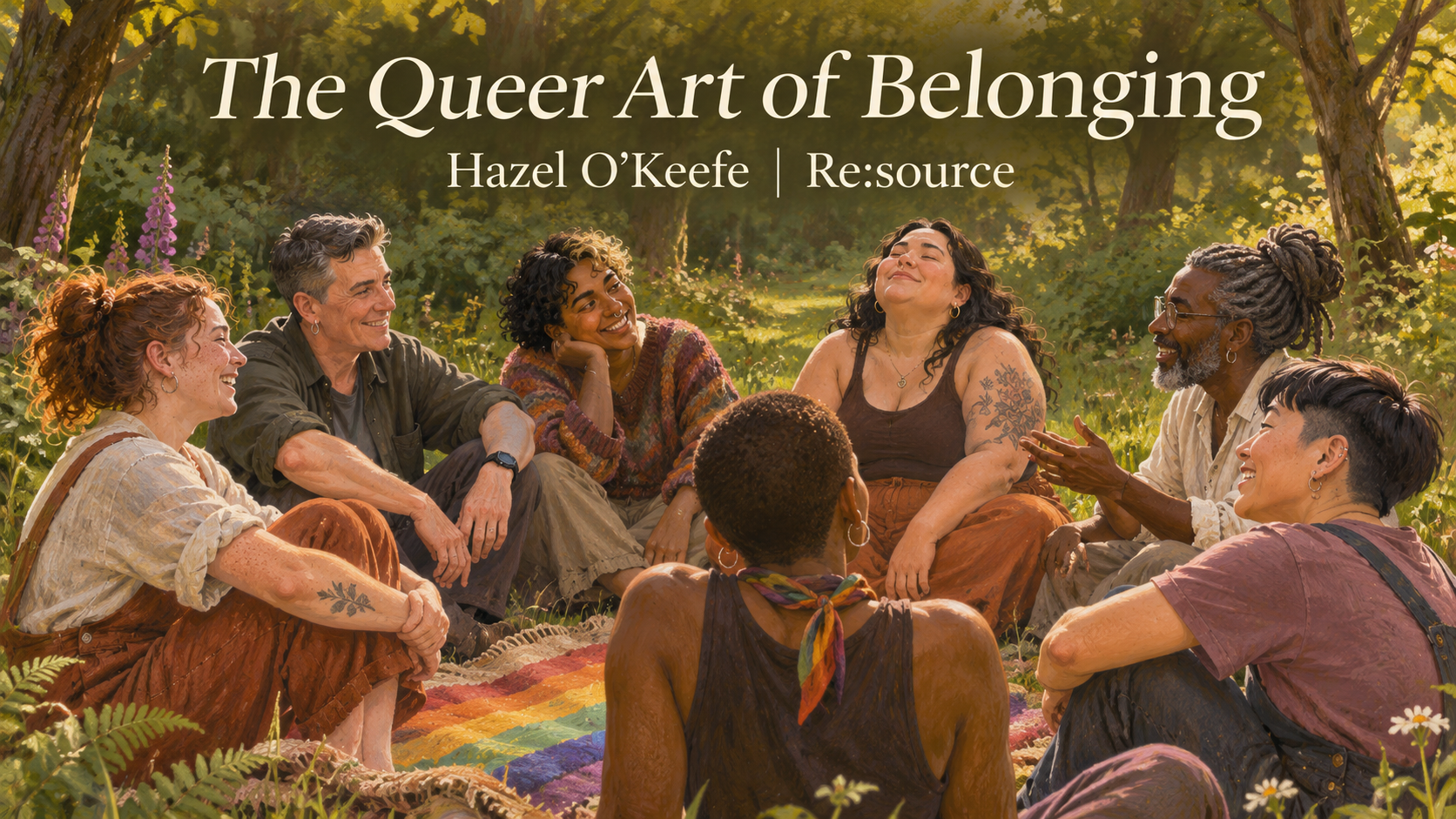
When I wrote The Queer Art of Belonging for Embrace Magazine, I wanted to talk about what it feels like to have queer spaces where drinking isn’t the focus. I’ve started a UK directory of LGBTQ+ sober socials and events so it’s easier to find those spaces and share them with others.
The directory includes queer community spaces, alcohol-free socials and walks, with links to organisers and upcoming events.
Help us find more sober socials
Do you run a queer craft night, walking group, comedy night, café meet-up or another social with an alcohol-free format? Perhaps you’ve been to one you’d love others to know about. I’d love to hear from you, especially if you’re in Wales, Northern Ireland or a smaller town.
Please send the group or event name, town or region, a public link, how often it runs, any cost and access information, and which parts of the event are alcohol-free. You can also use the same email to suggest a correction.
Hazel O’Keefe, founder of Re:source, coordinates the Speaking Out consultation for a safer UK live comedy industry.
The UK live comedy world demands courage, and sometimes the safest choice is to speak up but how ? Speaking Out delivers practical tools for freelancers to address safety concerns, find support, and understand their rights. It also challenges industry players to foster safer environments through accountability and prevention. We invite those who are involved in the live comedy circuit to contribute ideas—no personal stories required—for this evolving draft.
When something happens at a gig, it can be hard to know who to turn to. That’s especially true if you’re freelance, working without a written contract or worried that speaking up might cost you future bookings.
We have put together Speaking Out to bring practical advice and support into one place for people working in UK comedy. It covers what you can do if you feel unsafe, where to find specialist support and what your options are if you want to raise a concern. It also asks promoters, bookers and venues to think about what they can do to prevent harassment and respond when someone speaks up.
We are sharing this as a consultation draft. If you work in comedy, we would love to hear what you’d find useful, what’s unclear and what’s missing. You can send feedback using the contact details on the final page. You’re welcome to comment without sharing any personal experiences.
View “Speaking Out: A safety guide for persons working in the UK live comedy industry”
When a drink or a cigarette has become the quickest way to get a bit of relief, reaching for it can feel automatic. It might be the end of a difficult day, the moment you sit down after tea, or the walk past somewhere you used to stop for a drink. Sometimes you feel it in your body first. Your jaw tightens, your emotions heighten, your breathing gets shallow, or you suddenly feel like you can’t sit still.
If you’re cutting down or quitting alcohol, cigarettes or other drugs, cravings can catch you off guard. A person, a place, feeling or even a particular time of day can bring back the urge because you’ve come to associate it with a break or a way to switch off. Once you start spotting those patterns, you might catch yourself a little earlier and have a moment to decide what to do next.
And then comes the should. I should be over this by now. I should be able to get through one evening without thinking about it. That’s a hard way to speak to yourself when you’re already having a hard moment. I prefer a gentler question. What would help me get through the next few minutes?
A gentle breathing exercise to try when a craving hits
Get comfortable. Sit with your feet on the floor, or lie down if that feels better.
Breathe in gently through your nose. Let your belly move naturally, without forcing a deeper breath.
Breathe out gently through your mouth. If counting helps, count up to five as you breathe in and again as you breathe out. A shorter count is fine if it feels easier.
Start with a few breaths. If it feels comfortable, carry on for a few minutes. If you feel dizzy or uncomfortable, stop and go back to breathing normally.
Different ways to practise breathwork
Breathwork covers everything from a few gentle breaths at the kitchen window to more intense practices done in a facilitated session. When a craving hits and you’re already feeling on edge, I’d start with the easy breathing above. If you’re curious about what else is out there, here’s how some of the better-known practices differ.
Diaphragmatic breathing, often called belly breathing, is the closest to the exercise above. Let your belly and lower ribs move as you breathe, keeping the breath easy. It’s a simple way to slow down when you feel tense.
Box breathing gives you a steady rhythm to focus on. Breathe in for four counts, hold for four, breathe out for four, then pause for four before the next breath. If holding your breath feels uncomfortable, go back to gentle breathing.
4‑7‑8 breathing means breathing in for four counts, holding for seven and breathing out for eight. Some people use it to wind down before bed. Keep the timing comfortable.
Alternate nostril breathing is a yogic practice. You breathe in through one nostril and out through the other, then reverse the direction. The pattern gives you something to pay attention to when your mind is busy.
Buteyko breathing uses lighter, quieter breathing, usually through the nose. It’s a form of breathing retraining that has been studied in people with asthma, where it can sit alongside prescribed care.
Kapalabhati is a more vigorous yogic practice. It uses short, forceful out-breaths, with each in-breath happening passively. It has a very different rhythm from slow breathing for relaxation.
Holotropic Breathwork combines faster breathing with music in a facilitated session. It’s intended to bring about an altered state of awareness, and some people explore it for personal or emotional reflection.
The Wim Hof Method combines cycles of faster, deeper breathing and breath holds with cold exposure as a separate part of the method. Its safety guidance says to do the breathing seated or lying down, away from water and never while driving.
Tummo is a Tibetan Buddhist meditation practice that combines breath control and visualisation to cultivate a sense of inner heat. It comes from a spiritual tradition and is usually learnt with guidance.
What that pause can give you
What I like about coming back to the breath is how ordinary it can be. You can do it sitting on the edge of your bed, standing at the kitchen window or taking a moment outside. The urge might still be there after a few breaths. You can use that moment to decide what feels manageable next. That might be stepping out of the room, putting the kettle on, playing a song, doing some starjumps.
Breathwork can sit alongside treatment, peer support and the other things that help you through recovery. If you think you might be physically dependent on alcohol, get medical advice before cutting down or stopping. Alcohol withdrawal can be dangerous without the right support. (nhs.uk)
Some days, a few breaths and a change of scene are a good place to start. Give yourself the same kindness you’d give someone else who was trying to get through a difficult evening.
What does it mean to find somewhere you can fully be yourself?
In my article The Queer Art of Belonging, published in the August 2026 issue of Embrace, I explore the connection between LGBTQIA+ wellbeing, breathwork and finding our people.
After more than two decades of creating inclusive events and community spaces, belonging remains at the heart of my work. Somewhere to laugh, connect, dance or simply sit quietly without having to explain who you are.
The article reflects on the role alcohol has played in queer social spaces, and why we also need welcoming alternatives for people who are sober, in recovery, don’t drink or find busy nightlife overwhelming. We all deserve opportunities to experience joy and connection.
I also share how my journey into breathwork has shaped Re:source: creating opportunities to pause, reconnect with ourselves and build community through music, creativity, nature and shared experiences.
There’s room for laughter in wellbeing, too. You don’t have to survive on kale and good intentions to take a conscious breath.
For years, I brought people together through comedy, music and community events. I loved the moment when a room full of strangers began to feel like a room full of people who belonged there. Sometimes it happened because someone made us laugh. Sometimes it was the music. Sometimes it was simply the relief of being somewhere you could be yourself.
Breathwork is a quieter way of making that kind of space.
A moment to notice how you are
When I talk about breathwork, I mean taking a little time to pay attention to how we breathe. Sometimes that means gently changing the rhythm. Sometimes it’s enough to notice what’s already happening.
So much of an ordinary day can go by without a moment to check in with ourselves. We answer messages, make plans, look after people and get on with whatever needs doing. Then we finally sit down and realise we’ve been holding our shoulders up around our ears for most of the afternoon.
A pause might make it easier to notice that you’re tired, or that you’ve been bracing yourself for a conversation that hasn’t happened yet. You might feel restless the whole time. There’s room for that, too. You can keep your eyes open, shift in your seat, or simply listen to what’s happening around you.
Learning to go at my own pace
Illness changed the pace of my life. For stretches of time, even leaving the house was difficult. I’d spent years making things happen, and it took some getting used to when a short walk with the dogs became as much as I could manage that day.
I began to look forward to things I might once have hurried past. The dogs stopping at the same patch of grass every single time. A few minutes in the garden. Getting outside and realising the light had changed since yesterday.
Breathwork fits into that slower rhythm for me. It gives me a moment to ask how I’m doing and let the answer be whatever it is. Some days I want to move and put music on. Other days I want to sit outside with a cup of tea and let that be enough.
Making space for people to belong
There’s something I love about sharing a quiet moment with other people. So many ways of socialising revolve around drinking, talking or being entertaining. I’m interested in what happens when we get together somewhere alcohol-free, where you can join in as much as you like and nobody needs you to explain why you’ve had a hard week.
That’s where I want to take Re:source right now. I’m making room for smaller gatherings, walks outdoors and gentle breathwork sessions in nature. The idea is simple. We spend a little time outside, we go at a pace that feels manageable, and we give ourselves permission to turn up exactly as we are.
That’s why breathwork matters to me. I still love the energy of a room full of people laughing together. I’m learning to love the quieter moments just as much. Sometimes belonging feels like walking alongside someone for a while and realising you’re both quite happy to leave the silence as it is.
If you’re curious to try breathwork for yourself, I’ve put together a Basic Breathwork Techniques guide. It walks you through gentle exercises step by step, starting with noticing your natural breath. Choose one exercise and try it for a few breaths at your own pace.
I’m Hazel — a breathwork facilitator, community builder, and someone who has spent much of my life creating spaces for others to connect.
For years my world revolved around movement. I worked in community facilitation and events, producing gatherings, festivals, and nightlife spaces where people could come together and feel alive.
From the outside, it looked vibrant.
But internally, my nervous system was exhausted.
Like many people carrying unresolved trauma, I learned to keep moving. Busyness became a form of survival. Alcohol became a way to soften the noise inside my mind. Nicotine was my only ‘time out.’ Escapism was my norm. Avoidance coping mechanisms were my functioning survival mode, a constant heighten state of fight or flight.
Eventually my body started asking clearly for something different. I wasn’t able to break the patterns or sit with the pain of my own traumas. Eventually my body demanded something different. I still wasn’t able to be still so my body started to collapse under the pressure so I have no choice but to stop.
For much of my life I kept moving. I organised events, built communities, created spaces for others to connect and feel alive. From the outside it looked exciting, satisfying, vibrant and purposeful, but underneath my nervous system was constantly running in survival mode. I didn’t realise that busyness had become a way of protecting myself from what I was carrying inside. If we keep moving, we don’t have to process what hurts. Eventually my body began to ask for something different. The exhaustion, the health struggles, and the quiet moments I had spent avoiding became invitations to slow down.
Breathwork became the first place where I learned that it was possible to pause, to feel, and to discover that even the emotions we fear most can move through us when we meet them with breath, awareness, and compassion.
Breathwork became an enormous part of this turning point.
From my very first experience I completely surrendered to the process. An intense mix of shamanic healing, sound bowls, rattle work and breathwork. Surprisingly as for decades prior I had the limiting belief that my ADHD brain wasn’t even capable of basic guided meditation. I didn’t realise how hard I was running away from my truths.
This was the first time I ever found any true relief from the pain I had been experiencing and this then became a practice of returning — returning to my body, to stillness, and to a sense of safety I had rarely felt before.
When I stepped away from city life and began living on the road in a van with my dogs, I entered a very different rhythm of life. Nature slowed everything down. Without constant stimulation or distraction, I began to listen to my breath for the first time while I grieved and rebuilt myself. Reignited my neural pathways and reprogrammed my nervous systems.
The breath was the simple act and it changed everything.
Breathwork helped me:
regulate my nervous system
process emotions I had suppressed for years
reconnect with my body
rediscover joy without substances
and develop a deeper relationship with myself
Today, I’m building a life that moves at a different pace.
My days include meditation, connection with nature, sound, philosophy, and community spaces rooted in presence rather than escape.
Through my training as a breathwork facilitator, I’m learning how to hold space for others to experience the same reconnection.
This blog — Between the Breaths — is part of that journey.
It explores the moments of expansion, pause, and grounding that shaped my life and the role breath has played in that transformation.
Because sometimes the most powerful change doesn’t happen in the inhale or the exhale…
It happens in the quiet space between them.
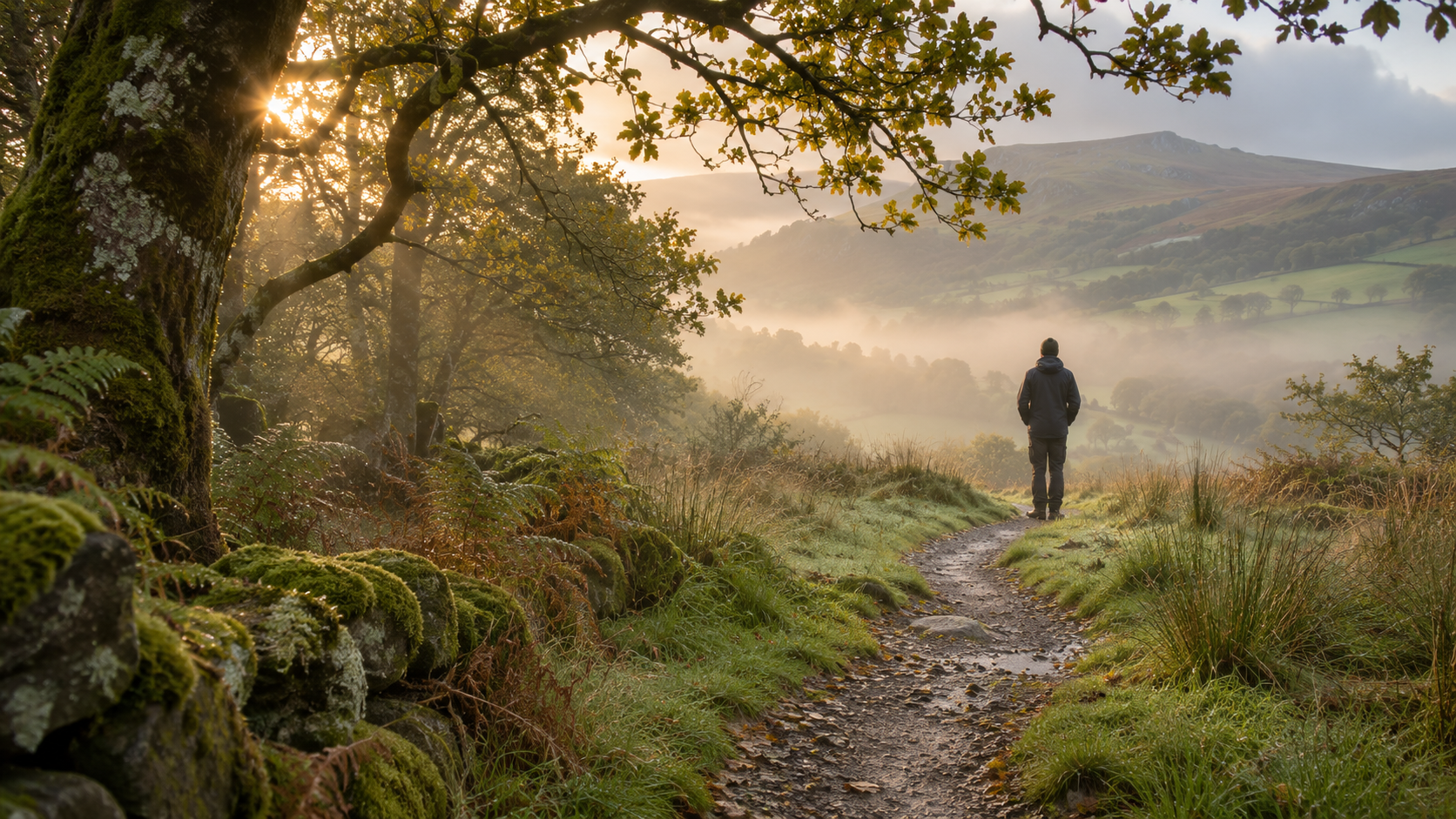
All of the photographs in this blog series are taken by me during moments where I intentionally slow down and breathe with the landscape around me.
Photography has become a quiet extension of my breathwork practice. When I step into nature with my camera, I’m not just capturing a view — I’m noticing the rhythm of the wind, the stillness of the trees, the changing light, and the way my own breath begins to settle in response.
These images are part of what I call my “Breathing in Nature” series — small moments of presence where the nervous system softens and the body remembers how to simply be.
Each photograph is taken during those pauses.
Moments where I stop, breathe, and reconnect with the world around me.
My hope is that as you look at these images, you might pause for a breath too.
A Breath Practice That Helped Me Begin
When my nervous system was constantly in fight-or-flight, one of the first practices that helped me was simple regulated breathing.
Try this:
4–6 Regulation Breath
Inhale gently through the nose for 4 seconds
Exhale slowly through the mouth for 6 seconds
Continue for 3–5 minutes
Lengthening the exhale activates the parasympathetic nervous system, which signals safety to the body.
For someone who has lived in survival mode, this simple practice can begin to restore balance.
At first it felt strange to slow down. My body was used to tension.
But breath by breath, the nervous system begins to learn a new rhythm.
But it’s the space between them — that quiet pause — where we truly meet ourselves.
For years, my world was filled with motion: city lights, late nights, and the pulse of the music I helped create.
For as long as I can remember I’d used alcohol to self-medicate, masking the weight of unprocessed trauma and the strain on my nervous system. My breath was dull, fast and shallow, always chasing the next high, the next laugh, the next distraction.
This is where I was …. how my journey began but not how it ends.
This blog is a reflection of that journey, using my photography and artwork on that journey to create a visual and emotional meditation on what happens between the breaths. Through nature, solitude, and community, I found my rhythm again.
What began as escape became an exhale — a return to presence, purpose, and peace.
For most of my life I never thought about breathing.
Like many people, my breath was simply something that happened in the background while life rushed forward — city lights, music, late nights, community events, and endless movement.
I built spaces where people could come together and feel alive.
But somewhere inside that noise, my own nervous system was struggling to keep up.
What I didn’t realise at the time was that my breath had been trying to tell me something for years.
It was shallow. Fast. Held tightly in my chest.
My body had learned to live in survival mode.
Breathwork was the first practice that gently asked me to slow down long enough to notice.
And once I noticed, everything began to change.
Breath Practice: First Awareness
A simple way to reconnect with your breath:
Sit comfortably
Place one hand on your chest and one on your belly
Take a slow inhale through the nose
Let the belly expand
Exhale gently through the mouth
Try this for five breaths.
Sometimes awareness alone is the first step toward healing.
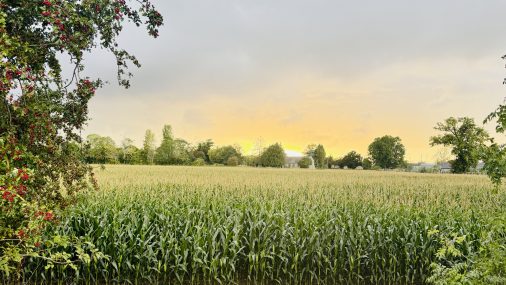
This picture is so perfect for this post as it was a real turn around moment when a drunken plan was hatched to drive a few hundred miles to see a friend and watch the sunset another time when we were sober. And this time we actually did it !! What a sun rise it was. The first time I realised how the universe can reward us and the first time I began to notice stillness again.
Three-Part Breath (Reconnecting With the Body)
When we’re stressed, breathing often becomes shallow and stuck in the chest.
This practice helps reconnect the full breathing pathway.
Try this:
Three-Part Breath
Inhale into the belly Continue the inhale into the rib cage Let the breath expand into the upper chest Exhale slowly in reverse order
This reminds the body how to breathe fully again.
For many people it brings a feeling of spaciousness and grounding.
Breathwork doesn’t need to be dramatic or intense to be powerful.
Sometimes the most profound shifts begin with a few minutes of conscious breathing.
These small practices helped me begin rebuilding a relationship with my own nervous system — one breath at a time.
“I filled every breath with noise, until I forgot how silence sounded.”
City lights, crowded rooms, and endless events filled every breath, running on adrenaline. I built spaces where others could lose themselves — while I quietly lost touch with myself.
I used alcohol to self-medicate, masking the weight of unprocessed trauma and the strain on my nervous system. My inhale was constant — more doing, more giving, more running. There was no pause.
“Breathing is the bridge between body and mind.” — Wim Hof
My nervous system lived in constant fight-or-flight.
Trauma doesn’t always appear loudly. Sometimes it shows up as:
• overworking • constant movement • emotional numbing • difficulty resting • needing noise to avoid silence.
Alcohol became my way of softening the edges of those feelings.
It worked for a while.
Until it didn’t.
Eventually the body always asks to be heard.
Breathwork became the first place I allowed myself to listen.
Breath Practice: Nervous System Regulation
One practice that helped me begin was extended exhale breathing.
Inhale for 4 seconds Exhale for 6 seconds
Repeat for 3 minutes.
Lengthening the exhale signals safety to the nervous system.
When the body feels safe, healing can begin.
There was a time when my life moved quickly.
Cities. Music. Events. Crowds.
I loved creating spaces where people could connect.
Community has always been at the centre of who I am.
But my life during those years was mostly inhale.
More doing. More giving. More movement.
I didn’t yet understand the importance of the pause.
Breathwork taught me that expansion is beautiful — but without balance it can also become exhausting.
Breath Practice: Energising Breath
A simple energising breath:
Inhale through the nose for 4 seconds Hold gently for 2 seconds Exhale for 4 seconds
Repeat for 10 breaths.
This builds awareness of how energy moves through the body.
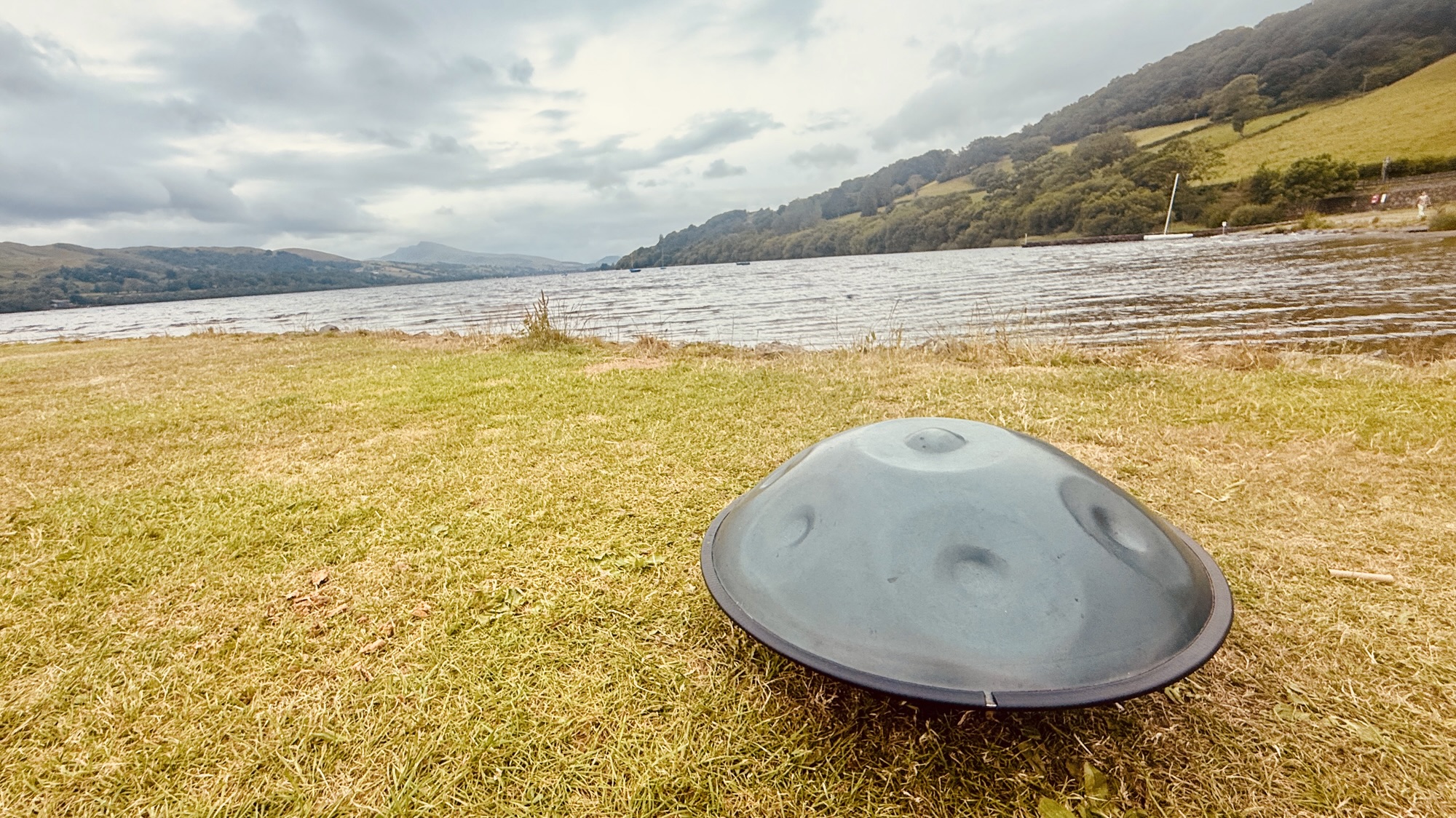
Sound vibrations are still at the heart of everything !
The way we breathe determines the quality of our life.” — Dan Brulé
Then came the stillness — a van, my dogs and open roads. Away from the noise, I began to listen. In the silence, I found something I’d never given myself before: self-care, self-compassion, and self-love.
Breath became my teacher, showing me how to feel, regulate, and release.
In stillness, I met the parts of me I’d been running from.
Then came the quiet. The world around me slowed, and so did my breath.
In the stillness, I had nowhere to hide from myself — and for the first time, I didn’t want to.
What began as escape became an awakening. I learned how to regulate, not just react. How to listen, not just survive. How to care for myself in ways I never had before.
The pause between inhale and exhale is where I found self-love, self-compassion, and the courage to feel everything I’d numbed for years.
“Conscious breathing is a powerful tool for transformation.” — Stanislav Grof
When I stepped away from city life and began travelling in a van with my dogs, everything changed.
Nature moves at a very different rhythm.
There are no deadlines in forests.
No urgency in mountains.
Just breath.
In that quiet space, I began to understand the difference between:
escape and rest numbing and healing movement and stillness.
Breathwork became my daily practice.
Not as something dramatic or intense — but as something steady and grounding.
One breath at a time, my nervous system began to soften.
Breath Practice: Nature Rhythm Breathing
Sit outside.
Inhale slowly while observing the landscape.
Pause briefly.
Exhale slowly and relax your shoulders.
Let nature guide the pace of your breath.
The body remembers safety when it reconnects with the natural world.
Heart Coherence Breath
This practice gently brings awareness from the thinking mind into the heart space.
Try this:
Heart Coherence Breath
Place one hand over your heart Breathe slowly and evenly through the nose Imagine the breath moving in and out of the heart centre Continue for 3–5 minutes
Many people find this practice brings a sense of emotional warmth or connection.
When combined with feelings like gratitude or compassion, it can shift the nervous system toward a state of coherence and emotional balance.
The Breath Hold Reset
Breath holds can create a powerful pause in the body and mind.
Try this:
Gentle Breath Hold
Take a slow inhale through the nose Exhale completely Hold the breath out for as long as feels comfortable When the body asks for air, inhale slowly and fully
This pause can create a moment of stillness where the mind quiets and the body resets.
Many people notice heightened awareness and clarity after a few rounds.
While gentle breathing practices helped regulate my nervous system, deeper breathwork practices opened something else entirely.
They allowed emotions that had been stored in the body for years to finally move.
My life now includes meditation, nature, sober connection, sound, and community spaces built around presence rather than escape.
My exhale is slower, steadier, rooted in presence. I’ve built a life with room to be — not just do.
Breathwork continues to guide me.
Not as something I have mastered, but as a practice I return to every day.
Each inhale invites expansion.
Each pause invites awareness.
Each exhale invites release.
Now I hold space for others to discover their own breath.
Because sometimes the most powerful thing we can offer someone is simply a safe place to breathe.
“The breath is a tool for self-awareness and self-regulation.” — James Nestor
I’m home again, not in a city or van, but in my own body. My days are shaped by community, sober joy, sound baths, philosophy, and connection. I facilitate from a grounded place, guided not by urgency but by breath itself. The breath carried me from chaos to calm, from noise to presence. Through it, I learned to care for myself, regulate my emotions, and listen deeply — first to my own body, and now to others.
Every inhale invites expansion. Every pause invites awareness. Every exhale invites release. This is the space where I hold presence, compassion, and guidance as a Breathwork facilitator — helping others find their own rhythm between doing and being.
We’ve lost the ability to breathe correctly, and it’s affecting every aspect of our health.” — James Nestor
Extended Exhale Breathing (Safety Signal Breath)
When the nervous system is stuck in fight-or-flight, lengthening the exhale can help signal safety to the body.
Try this:
Extended Exhale Breath
Inhale through the nose for 4 seconds Exhale slowly through the mouth for 7–8 seconds Continue for 3–5 minutes
The long exhale stimulates the vagus nerve, which helps move the body toward rest and repair.
For people who have lived in survival mode, this breath can feel like slowly taking the foot off the accelerator.
Humming Breath (Vagus Nerve Activation)
The vibration created by humming stimulates the vagus nerve and can soothe the nervous system.
Try this:
Humming Breath
Inhale slowly through the nose Exhale while making a gentle humming sound Feel the vibration in the chest, throat, or head Repeat for 3–5 minutes
The vibration can create a sense of grounding and calm.
Many people describe it as feeling like a gentle internal massage for the nervous system.
Orienting Breath (Coming Back to the Present)
Trauma can cause the nervous system to feel stuck in past experiences.
This practice helps the body reconnect with the present moment.
Try this:
Orienting Breath
Take a slow breath through the nose Gently look around the room or environment Notice colours, light, or shapes around you Exhale slowly while staying aware of your surroundings Continue breathing slowly for a few minutes
Combining breath with visual awareness helps the body recognise that this moment is safe.
Over time, this can help rebuild a sense of stability.
Physiological Sigh (The Body’s Natural Reset)
One of the quickest ways to calm the nervous system is something the body already does naturally — the physiological sigh.
Try this:
Physiological Sigh
Inhale slowly through the nose Take a second short inhale to fully fill the lungs Slowly exhale through the mouth.
Repeat for 1–3 minutes
This breathing pattern helps release excess carbon dioxide and gently resets the nervous system.
For people carrying stress or trauma in the body, it can feel like a subtle “pressure release valve.”
Sometimes one or two breaths like this can shift the entire state of the body.
Coherent Breathing (The Nervous System Harmoniser)
This practice is often used in trauma therapy and nervous system regulation.
Try this:
5–5 Coherent Breath
Inhale through the nose for 5 seconds Exhale through the nose for 5 seconds Continue for 5–10 minutes
This rhythm balances the relationship between the breath, the heart, and the nervous system.
Many people notice a gentle sense of grounding and clarity after just a few minutes.
Trauma lives in the body as much as the mind.
Breathwork offers a way to gently speak the body’s language — rhythm, sensation, and presence.
Where this journey has taken me. Re:source is where my work in breathwork, community arts and comedy comes together. Today I offer breathwork online and in Mid Wales, alongside gentle walks and alcohol-free creative gatherings. I also run the Women in Comedy Directory and share resources for more inclusive communities.